Reliable network event overflow in FiveM: find the script and fix it
Players kicked with Reliable network event overflow? A script sends too much event data. Find the resource, shrink payloads, use latent events and state bags.
A player is thrown out of the server, or the whole server starts timing out, with a message like this:
Reliable network event overflowFiveM keeps a limited queue of reliable network events for each connection. When a script fills it faster than the connection can send, the player is dropped. The cause is almost always one resource. Here is how to find it and fix it.
What happens
Every TriggerClientEvent and TriggerServerEvent is a reliable message: it must arrive, in order. If you send many of them, or very large ones, the queue for that player grows. When it overflows, the connection is cut.
The usual patterns:
- A large table sent in one event: a full list of vehicles, items, players, or a whole config.
- A loop that triggers an event on every tick or every few milliseconds.
- An event sent to everyone (
-1) many times per second. - A script that sends the same data again and again, when it did not change.
-- bad: sends everything, to everyone, every 100 ms
CreateThread(function()
    while true do
        Wait(100)
        TriggerClientEvent('myscript:update', -1, GetAllData())
    end
end)Find the resource
The error message does not name the script, so you have to measure.
- Look at the server console around the time of the kicks. Many identical event names, or a resource that started just before the problems, is a hint.
- Use the profiler. The built-in profiler records a short session and lets you open it in a viewer. In the server console:
profiler record 500
profiler view
Check the exact commands for your server build, since they can change between versions. The recording shows which resources and events take time, and helps you spot the heavy one.
- Stop resources one at a time on a test server. If the kicks stop after you stop a resource, you found it.
- Search the code for
TriggerClientEventandTriggerServerEventinside loops, and for events sent with-1.
Tip: the problem often starts after you add a new script, or after a script update. Check what changed first.
Fix 1: send smaller payloads
Send only what changed, not the whole data set.
-- bad: the whole table
TriggerClientEvent('shop:sync', src, allShops)

-- better: only the changed entry
TriggerClientEvent('shop:updateOne', src, shopId, shops[shopId])
Strip fields the client does not need, send ids instead of whole objects, and let the client request details when it needs them.
Fix 2: send less often
Trigger events when something happens, not on a timer. If you need a timer, make it slower and skip it when nothing changed.
local last = nil

CreateThread(function()
    while true do
        Wait(2000)
        local data = GetData()
        if data ~= last then
            last = data
            TriggerClientEvent('myscript:update', -1, data)
        end
    end
end)
Send to the players that need it, not to -1, when only some players care.
Fix 3: latent events for big data
When you really must send a lot of data, such as a large config or an image, use a latent event. It sends the data in the background at a speed you set, in bytes per second, instead of filling the normal queue.
-- server -> client, 50 KB/s
TriggerLatentClientEvent('myscript:bigData', src, 50000, bigTable)-- client -> server
TriggerLatentServerEvent('myscript:bigData', 50000, bigTable)The event arrives later, so use it only for data that is not time critical. Choose a speed that does not saturate the player's connection.
Fix 4: state bags for shared state
If the data is state of an entity or a player (a flag, a value, a status), a state bag is often better than events. FiveM replicates changes for you, and only sends what changed.
-- server
Player(src).state:set('isCuffed', true, true)

-- client, anywhere
local cuffed = LocalPlayer.state.isCuffed
State bags are for small values, not for large tables. Read FiveM state bags explained for how they work, and Client and server events in FiveM for the basics of events.
If you cannot edit the script
If the script is a paid or protected resource, you cannot change its code. Report the problem to the author with the profiler result and the time of the kicks. They will know which event is too big. Until then, stopping the resource or lowering its refresh rate in its config, if it has one, is the only workaround.
Checklist
| Symptom | Fix |
|---|---|
Reliable network event overflow kick |
Find the script that sends too much data |
| Kicks started after adding a script | Stop that resource and test again |
| Large table in one event | Send only changed data or ids |
| Event in a fast loop | Send on change, slow the timer down |
Event sent to -1 constantly |
Send to the players who need it |
| Big payload that is not urgent | TriggerLatentClientEvent or TriggerLatentServerEvent |
| Entity or player state | Use state bags |
Quick answers
What causes Reliable network event overflow?
A resource sends events faster or with more data than the connection can deliver. Large tables sent in one event, or a loop that triggers events every few milliseconds, are the usual causes.
Is Reliable network event overflow caused by too many players?
Not directly. More players make it more likely, because a script that sends to everyone multiplies the traffic. The cause is still a resource that sends too much data.
What is a latent event?
A latent event sends its data in the background at a speed you choose, so it does not clog the normal event queue. Use it for large payloads that are not urgent.
Scripts that skip this problem
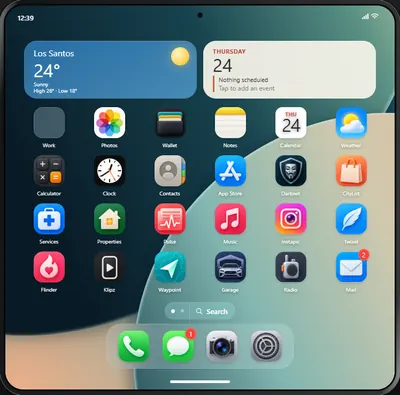 Mic PhoneA foldable phone that unfolds into a tablet and carries onto a player's real phone.View script →
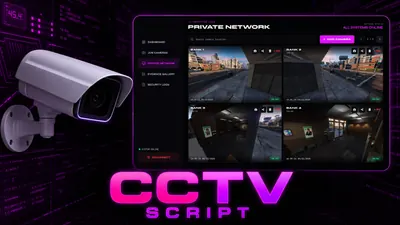 CCTV Security CamerasPlaceable cameras, a live multi-view tablet and printed evidence photos.View script →
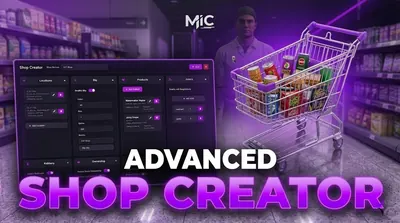 Shop CreatorBuild a shop in under a minute — owners, employees, vaults and robberies included.View script →