FiveM server hosting requirements: CPU, RAM, disk and network
What to rent for a FiveM server: why single-thread CPU speed matters most, RAM by player count, NVMe, DDoS protection, Windows or Linux, location and hosting types.
You are about to pay for a server and the listings are full of cores, gigabytes and "unlimited" claims. A FiveM server is not like a typical website host: it runs a game server that is limited by one thing above the rest, the speed of a single CPU core. This guide explains what to look for, so you do not pay for the wrong thing.
CPU: single-thread speed first
The main FiveM server thread runs your scripts, networking and game logic on one core. More cores help with side tasks (txAdmin, the database, background work), but they do not make the main thread faster. A CPU with a high clock speed and strong single-core performance beats one with many slow cores.
What to look for:
- A high boost clock and a modern architecture. Recent desktop-class processors are very good for this.
- At least 4 cores in total, so the database and the system do not compete with the game thread.
- Be careful with shared hosting where cores are overcommitted. Performance can vary through the day.
If you see hitch warnings in the console, the CPU is often the cause. Read server thread hitch warning and measure with resmon before upgrading: a single heavy script costs more than a slow CPU.
RAM
RAM matters less than CPU, but running out is a problem. Very rough guidance, which depends on your scripts, maps and framework:
| Players | RAM to plan for |
|---|---|
| Up to about 32 | 8 GB |
| About 32 to 64 | 16 GB |
| 64 and more, or many heavy scripts and maps | 16 GB or more |
The database server and the operating system need memory too, so leave room for them. If the database runs on the same machine, count it in.
Disk: NVMe
Your server loads many resources, maps and files, and the database writes constantly. A fast NVMe drive gives quicker starts, quicker resource restarts and a more responsive database. Spinning disks are a poor choice. Get enough space for the resources, logs and backups, with room to grow. See backing up your server for the backup side.
Network and DDoS protection
Players connect to your machine directly, so the network matters:
- A stable connection with good bandwidth. Latency and packet loss show up as rubber-banding and timeouts.
- DDoS protection. Public servers get attacked. Ask the provider whether protection is included and what it covers, since game traffic needs filtering that does not block your players.
- A fixed public IP and the ability to open ports. FiveM uses port 30120 by default over TCP and UDP. See port forwarding if the server does not show up.
Location
Put the server near your players. Distance adds latency, and no CPU fixes that. If most of your players are in one country or region, choose a data center there. For a mixed audience, pick a central location.
Windows or Linux
FiveM and txAdmin run on both.
- Windows Server: easy to use with a desktop, simple with graphical tools such as HeidiSQL, and familiar for most owners. It uses more resources and, depending on the provider, may cost more to license.
- Linux: lighter and good for automation and remote work, but you work in the terminal. See setting up a FiveM server on Linux.
Choose the one you can maintain. A system you cannot administer is worse than a slightly heavier one you understand.
Game server host, VPS or dedicated
| Type | Good for | Watch out for |
|---|---|---|
| Game server host (managed, panel) | Beginners, quick start, support for FiveM questions | Less control, shared CPUs, limits on settings or files |
| VPS | Owners who want control at moderate cost | Shared physical machine, so check the CPU is not oversold |
| Dedicated server | Large communities, full control, steady performance | You manage everything, including security and updates |
A managed host is fine to begin. Move to a VPS or dedicated machine when you outgrow it, or when you need control over the system.
Check before you buy
- Which CPU model is it, and is it dedicated or shared?
- Is the disk NVMe?
- Is DDoS protection included, and how does it work with game traffic?
- Can you open ports and run txAdmin?
- Where is the data center?
- Is a trial or a short first period possible, so you can test a full server?
Test with your real scripts. Run the server with players online, watch resmon and the console, and see whether tick times stay low.
Tip: do not buy for your dream player count. Start with what you need now, and scale up when the numbers show you need it. Moving a server is simple if you keep backups.
Checklist
| Question | What to choose |
|---|---|
| Which CPU spec matters most? | High single-core speed |
| How many cores? | At least 4, more for a database on the same machine |
| How much RAM? | 8 GB for small servers, 16 GB or more for larger ones |
| Which disk? | NVMe |
| Is DDoS protection needed? | Yes for a public server, ask how it works with game traffic |
| Where should it be? | Close to most players |
| Windows or Linux? | The one you can manage |
| First server? | A managed host or a VPS, then move up if needed |
Quick answers
How much RAM does a FiveM server need?
As a rough guide, 8 GB is a comfortable start for a small server with a modest number of scripts, and 16 GB or more for a large one. The CPU usually limits you before RAM does.
Is a game server host or a VPS better?
A game server host is easier because it comes ready to use. A VPS or dedicated machine gives you more control and often more consistent speed, but you manage the system yourself.
Should I use Windows or Linux?
Both run FiveM and txAdmin. Windows is simpler if you are used to it and want to use tools like HeidiSQL. Linux uses fewer resources and suits people who are comfortable with the command line.
Scripts that skip this problem
 Tebex TemplateA code-free premium theme for your Tebex store, edited entirely from the Tebex panel.View script →
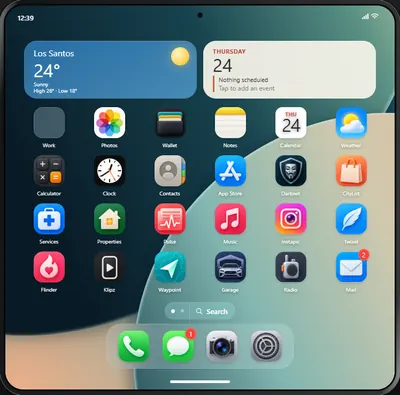 Mic PhoneA foldable phone that unfolds into a tablet and carries onto a player's real phone.View script →
 Advanced BoostingTablet-driven vehicle boosting: contracts from class D to S+, crews and a live queue.View script →